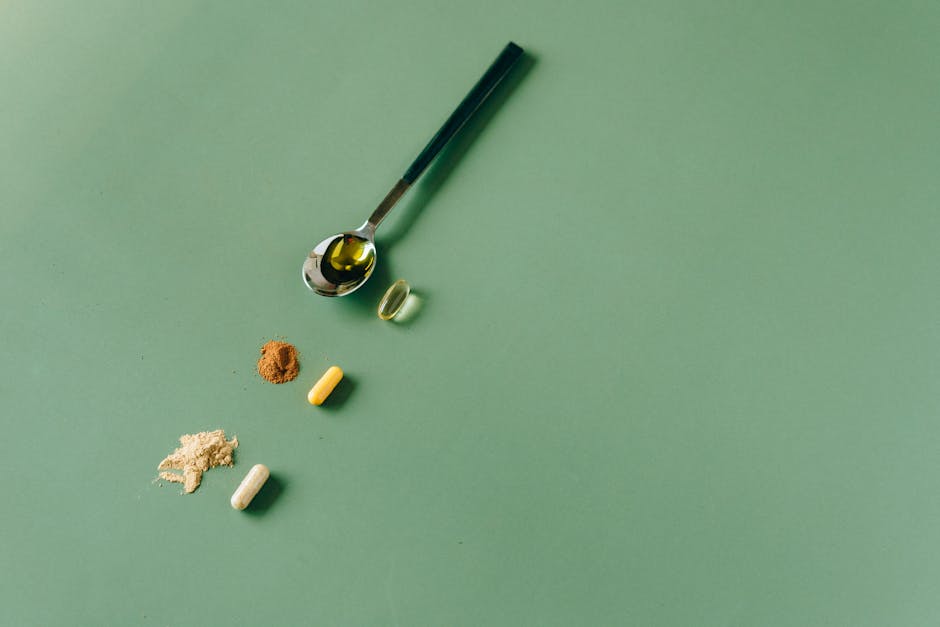
Best Creatine Supplements of 2025
Creatine is one of the few supplements that actually works. Here's the science on monohydrate vs. HCL, optimal dosing, and which brands deliver real results without the BS.
Get Weekly Health Tips
Evidence-based nutrition in your inbox
Why Creatine Actually Works (Unlike Most Supplements)
Let's be honest: most supplements are overhyped garbage. Creatine is different.
The International Society of Sports Nutrition calls it "the most effective ergogenic nutritional supplement currently available to athletes." That's not marketing—that's based on over 500 studies spanning 25+ years.
Here's what creatine does in plain English: Your muscles run on a molecule called ATP (adenosine triphosphate). When you're lifting heavy or sprinting, ATP gets depleted fast. Creatine acts as a backup battery, helping your muscles recharge ATP quickly so you can squeeze out a few more reps or sprint harder.
The result? More strength, more muscle growth, better performance. And unlike sketchy "muscle pills," creatine is naturally found in meat and fish—your body already makes about 1 gram per day.
The Research is Crystal Clear
Here's what happens when you take creatine while training:
- Strength gains: Studies show 5-15% increases in maximal strength and work output
- Muscle mass: Expect to gain 2-4 pounds of lean mass in the first month (yes, some is water, but muscle cells need water to grow)
- Sprint and power: Better performance in activities under 30 seconds (weightlifting, sprints, jumping)
- Injury reduction: Athletes taking creatine actually had lower injury rates in studies—probably because stronger muscles protect joints
Doesn't work for endurance? That's mostly true. Marathon runners won't see much benefit. But if you're lifting, doing HIIT, playing sports with bursts of power, or trying to build muscle—creatine works.
Monohydrate vs. HCL: The Truth About "Fancy" Forms
Walk into any supplement store and you'll see a dozen types of creatine. Here's the real difference:
Creatine Monohydrate = The Gold Standard
This is the form used in 95% of research. It's:
- 90% pure creatine by weight (the other 10% is water)
- Proven safe in studies using 3-5 grams daily for years
- About $0.10-0.15 per serving
- The benchmark every other form gets compared to
If you take 5 grams of creatine monohydrate daily for 4 weeks, your muscle creatine stores will max out. Period.
Creatine HCL (Hydrochloride) = More Expensive, Not More Effective
The pitch: "HCL is 41 times more soluble! Better absorption! Smaller doses!"
The reality: A 2024 study directly compared HCL to monohydrate and found no benefit of HCL over monohydrate for strength or muscle growth.
Here's the thing though—HCL does have some advantages:
- 78% pure creatine by weight (vs. 90% for monohydrate), so you actually need a similar absolute dose
- Dissolves better in water (no gritty texture)
- Less bloating and stomach issues for people sensitive to monohydrate
- Costs 2-3x more
Our take: Start with monohydrate. If you get stomach issues or bloating, then try HCL.
Creatine Ethyl Ester = Skip It
Marketed for "better absorption" but research shows it actually converts to creatinine (useless waste product) in your stomach. Don't waste your money.
Buffered Creatine (Kre-Alkalka) = Also Skip
Claims to have a higher pH to survive stomach acid better. Multiple studies found no benefit over regular monohydrate.
Our Top Picks for 2025
Optimum Nutrition Micronized Creatine Monohydrate
What you get: 100% pure creatine monohydrate, micronized (smaller particles = dissolves better)
Why we like it: It's from one of the most trusted brands in sports nutrition, third-party tested, unflavored, and costs about $0.12 per serving. The 5-gram scoop makes dosing foolproof.
Price: ~$25 for 200 servings (6+ months)
Transparent Labs Creatine HMB
What you get: 5g creatine monohydrate + 2g HMB (a compound that may reduce muscle breakdown)
Why we like it: HMB research is weaker than creatine's, but adding it doesn't hurt. Transparent Labs publishes full ingredient testing on their website—actual proof of purity, not just claims.
Price: ~$39 for 30 servings (1 month)
Bulk Supplements Pure Creatine Monohydrate
What you get: No frills. Just creatine. No flavoring, no fancy packaging.
Why we like it: If you want the cheapest effective option, this is it. Third-party tested, comes in a simple bag, about $0.08 per serving.
Price: ~$20 for 250 servings (8 months)
If You Need HCL: Kaged Muscle Creatine HCL
What you get: Pure creatine hydrochloride, unflavored
Why we like it: Kaged uses patented Creatine HCl and tests for heavy metals. Good option if monohydrate bothers your stomach.
Price: ~$30 for 75 servings (2.5 months)
How to Actually Take Creatine
Option 1: Loading Phase (Fast Results)
- Take 20 grams daily for 5-7 days (split into 4 doses of 5g each)
- Then drop to 3-5 grams daily forever
- Your muscles saturate in about a week
Option 2: Skip Loading (Easier)
- Just take 3-5 grams daily from day one
- Your muscles saturate in about 3-4 weeks
- Same end result, no stomach issues from mega-dosing
We vote for option 2. There's no rush.
Timing: Doesn't really matter.
Creatine builds up in your muscles over weeks. Taking it "pre-workout" or "post-workout" makes essentially zero difference. Just take it daily—with breakfast, in your protein shake, whenever.
One tip: Mix it with something that has carbs (juice, a smoothie, your post-workout meal). Insulin helps shuttle creatine into muscles slightly better.
Cycling: Totally unnecessary.
You don't need to "cycle off" creatine. Your body doesn't build a tolerance. Studies show continuous use for years is safe. If you stop taking it, your muscle creatine levels return to normal in 4-6 weeks.
What About Side Effects?
Water retention (2-4 pounds): Yes, this happens.
Creatine pulls water into muscle cells. That's actually part of how it works—swollen muscle cells signal growth. You won't look "puffy"—the water is inside muscles, not under your skin.
Kidney damage: No, this is a myth.
Multiple long-term studies confirm: creatine doesn't harm kidneys in healthy people. If you have pre-existing kidney disease, talk to your doctor first. Otherwise, you're fine.
Stomach issues: Rare, but possible.
Some people get nausea or diarrhea, especially with loading doses. Solutions:
- Skip the loading phase
- Split your dose (2.5g twice daily instead of 5g once)
- Try HCL instead
Hair loss: Probably not.
One old study on rugby players suggested creatine raised DHT (a hormone linked to male pattern baldness). But dozens of other studies found no effect on testosterone or DHT. If you're genetically prone to hair loss, maybe skip it. But for most people, it's a non-issue.
Cramping and dehydration: Another myth.
Studies actually show athletes taking creatine had fewer cramps and less dehydration than those who didn't. Just drink water like a normal person.
The Bottom Line
Creatine monohydrate is the rare supplement where science, safety, and results align perfectly. It's cheap, it works, and it's been tested to death.
Don't overthink it:
- Buy creatine monohydrate (unless you need HCL for digestion)
- Take 3-5 grams daily
- Be consistent
- Lift heavy things
That's it. No loading, no cycling, no timing tricks. Just take it every day and watch your numbers in the gym go up.
Disclaimer: This content is for informational purposes only and is not medical advice. Consult with healthcare professionals before making any dietary changes or starting new supplements.
Get Weekly Health Tips
Evidence-based nutrition in your inbox